
Our model
Farm-to-Fashion
A single connected value chain, running from the cotton field to the finished garment, and back again through the recovery of waste. Its purpose is to keep value inside the communities that produce the raw material.
How it works
From seed to style
Five stages, each feeding the next. This is how the value chain is designed to work: some stages run today, others arrive as the hubs are built.
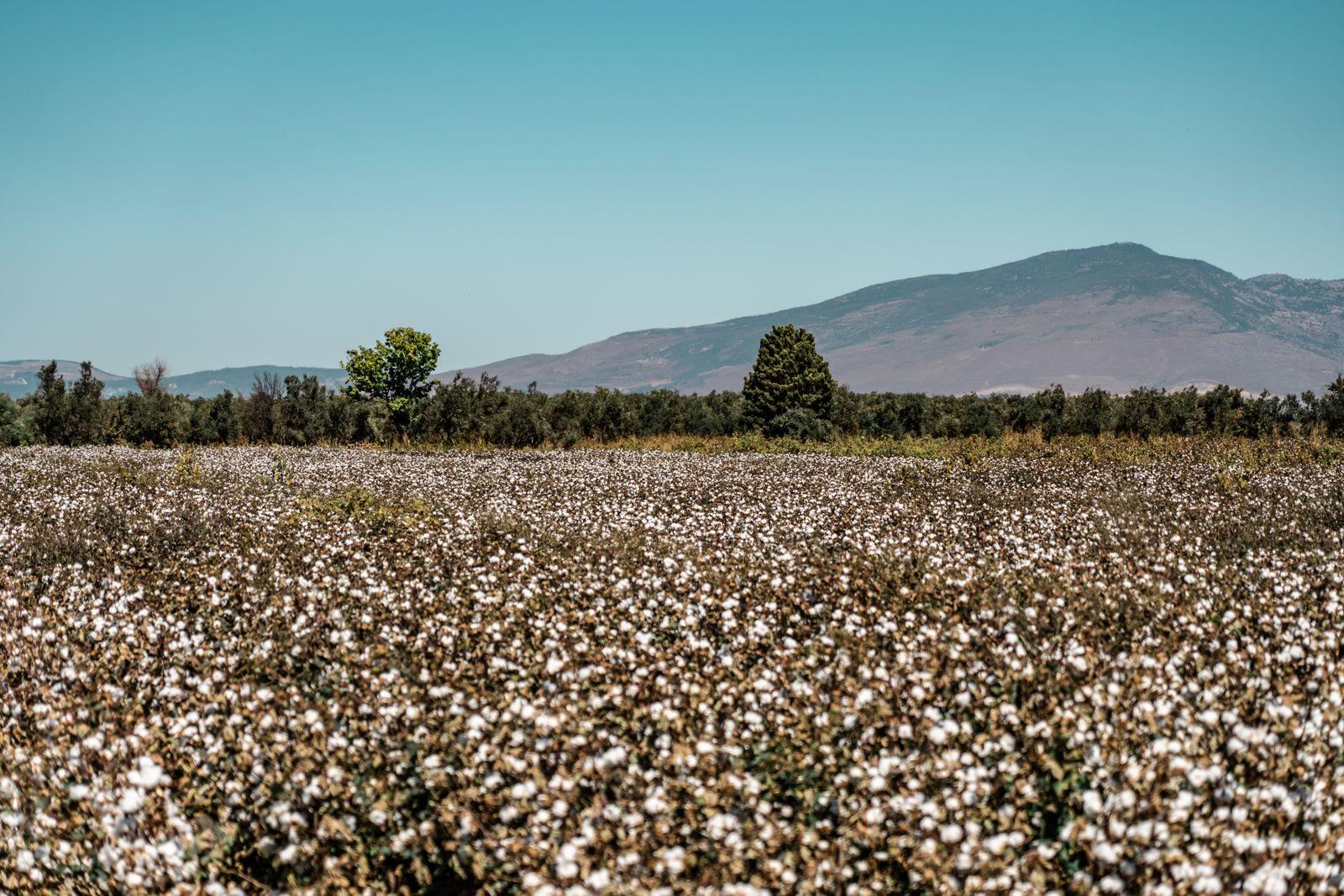
Cotton farming
Smallholder farmers grow organic cotton using natural pest control, water conservation, crop rotation, and fair labour practices. The result is high quality raw material, grown without exhausting the land or the people who work it.
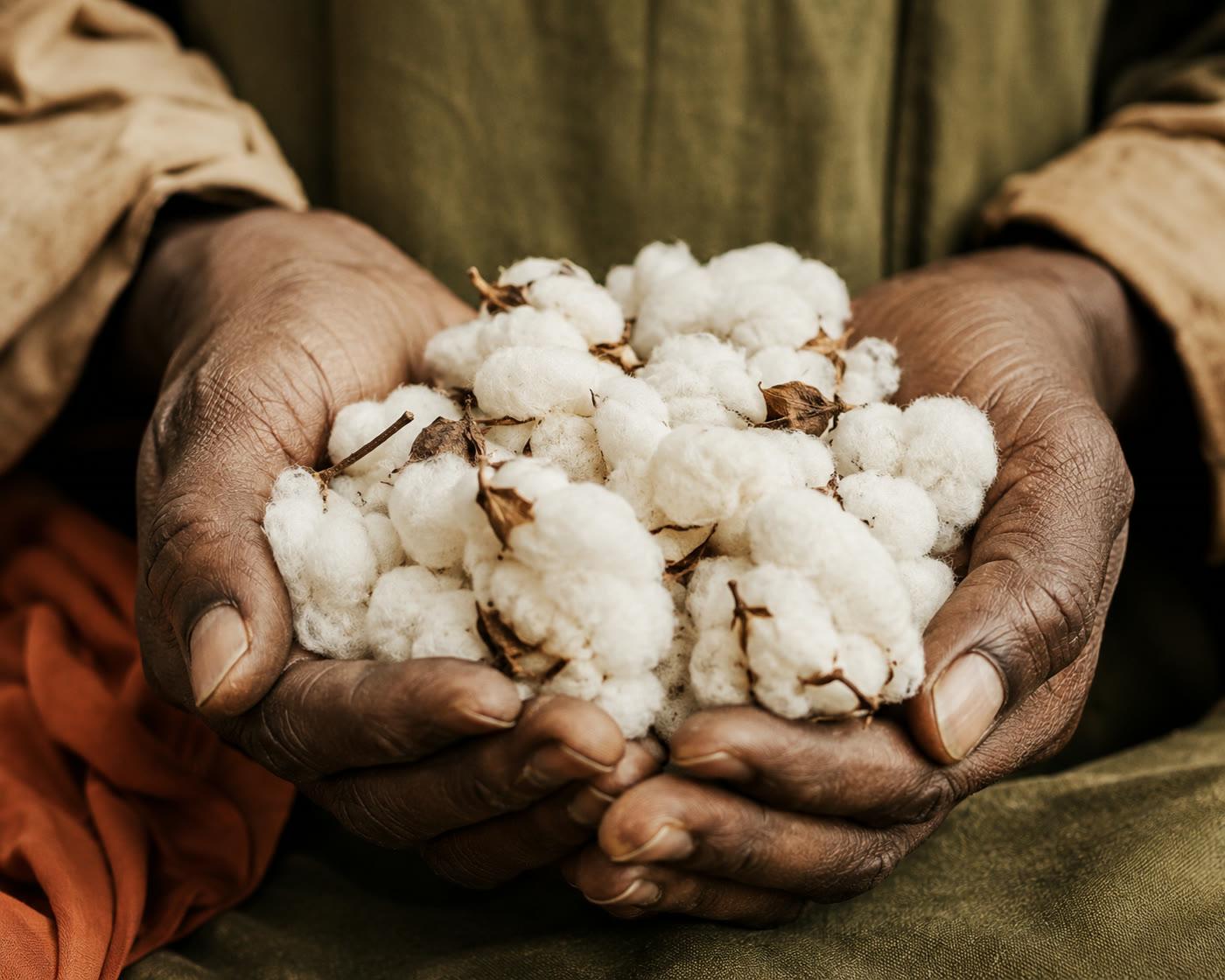
Textile production
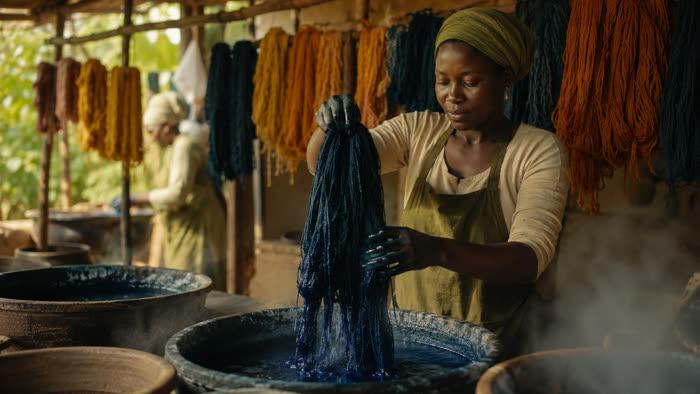
Processing and weaving turn fibre into cloth. Natural dyes replace synthetic chemicals, and the model is built around workshops running on solar and wind rather than grid power.
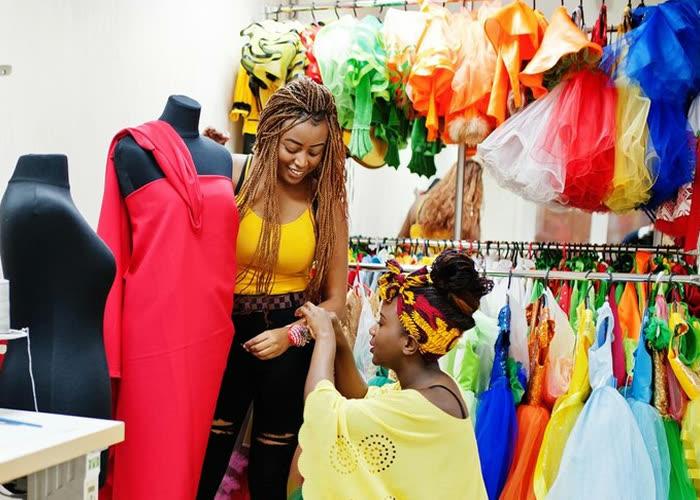
Fashion design
Local designers create sustainable collections using zero-waste pattern cutting and upcycled fabrics. Traditional techniques (hand-weaving, natural dyeing, embroidery) meet contemporary design.
Retail & distribution
Finished pieces reach ethical brands and conscious consumers through fair-trade channels in local, regional, and global markets. Low-emission logistics and biodegradable packaging are designed in rather than added later.
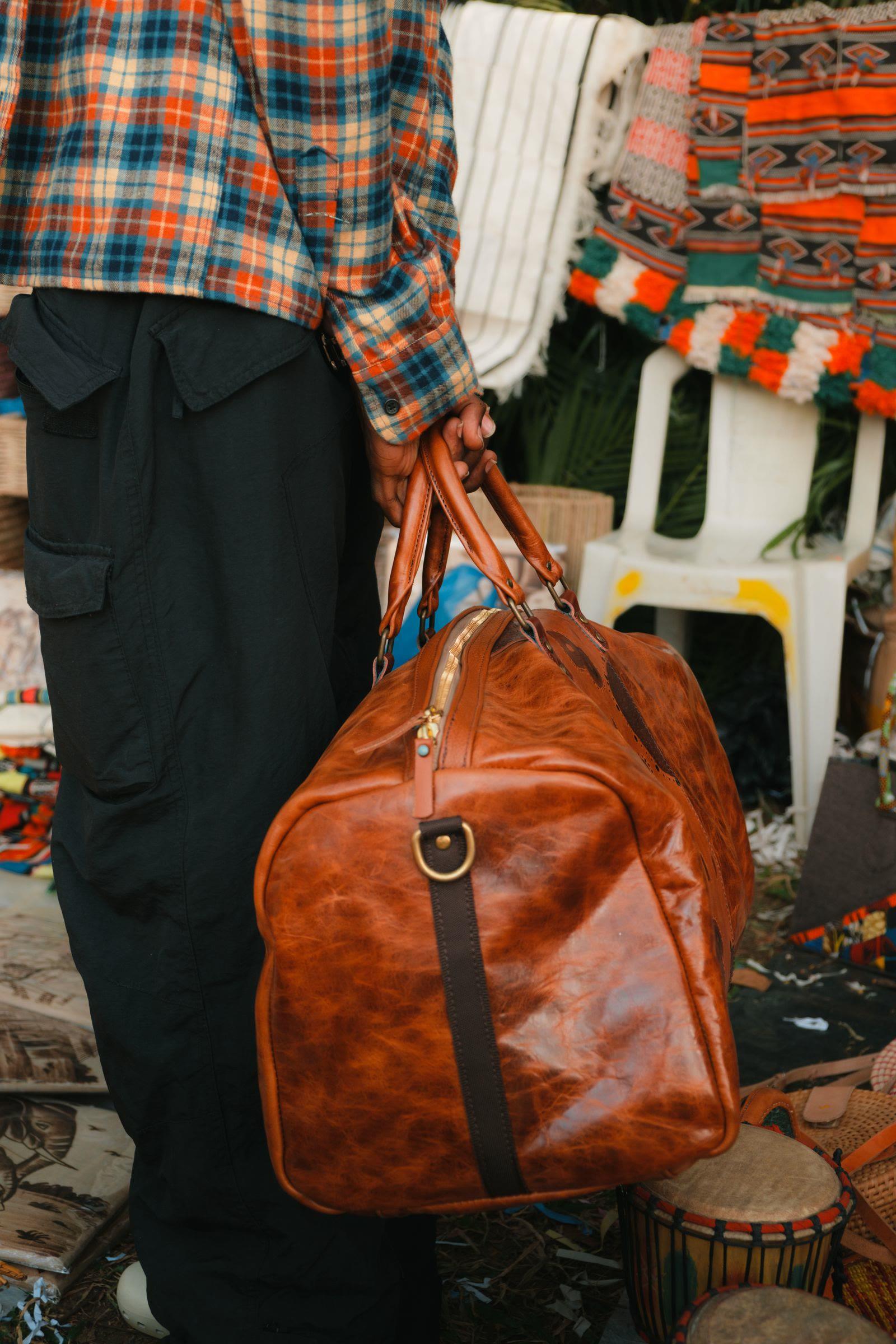
Circular economy
Textile waste is recycled and upcycled back into new products, diverting fabric from landfill and closing the loop. This is the practice our residency designers already build whole collections from. Revenue is designed to flow back to farming and artisan communities, and the cycle begins again.
Materials
What we make it from
Fibre-to-Fashion: using indigenous materials to create modern fashion. The fibres we build with are the ones already growing, already woven, or already discarded around us.
Water hyacinth
Water hyacinth grows thick across Lake Victoria, and its stems hold a usable fibre. AOAC is developing it as a material for fabric: the stems are harvested and dried, the fibre is extracted and spun, then blended with cotton and woven into cloth for fashion and home goods.
Organic cotton
Grown by smallholder farmers under sustainable practices (natural pest control, crop rotation, and water conservation) on land that once anchored Kenya's cotton economy.
Indigenous textiles
Campala, kente, adire, and ankara. We work with Africa's cultural fabrics rather than around them, keeping heritage techniques alive inside contemporary fashion instead of preserving them behind glass.
Recovered materials
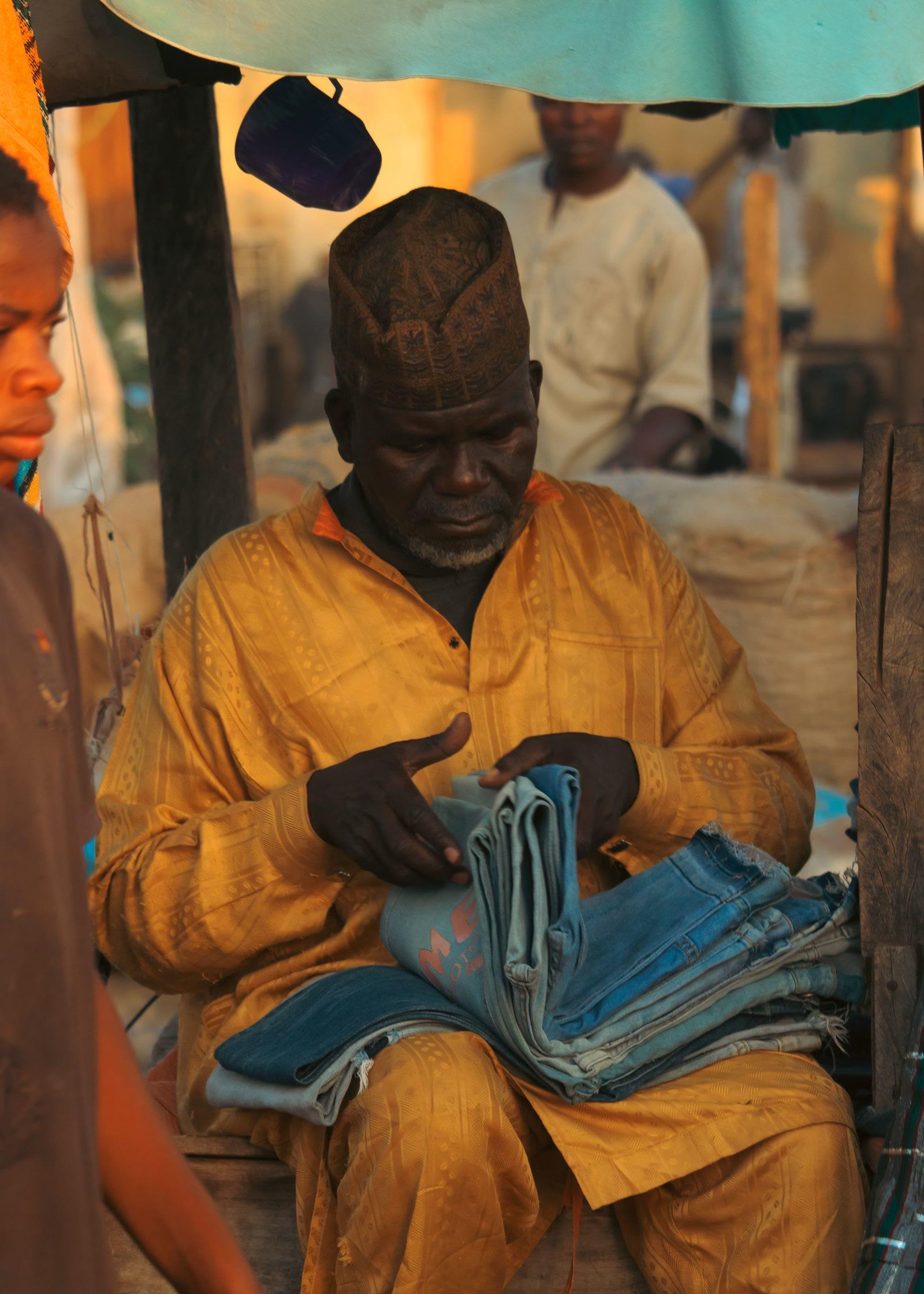
Fabric offcuts and discarded garments, recovered and upcycled back into new pieces, the same practice our residency designers use to build entire collections from village-market clothes.
Where we work
Eight counties
AOAC collaborates with county governments and farming communities across Western Kenya and the Coast to establish Farm-to-Fashion hubs. Western Kenya is the priority region, holding both the country's remaining cotton base and the water hyacinth we are developing into fabric.
- Kisumu
- Siaya
- Migori
- Homa Bay
- Kakamega
- Vihiga
- Busia
- Kwale
Sustainability
Built to leave nothing behind
Environmental stewardship is structural here, not an add-on: solar-powered workshops, natural dyes, zero-waste pattern cutting and biodegradable packaging.
Three ways into the chain
Grow cotton with us in the eight counties. Cut and sew in the Fashion Residency. Wear the collections that come out of it.