
Impact
What the work changes
A snapshot of the people reached, the work running today, and what AOAC is building next.
Youth & women trained
trained to date across rural and urban communities
African nations reached
from Kenya and East Africa to Botswana and South Africa
Counties
across Western Kenya and the Coast, where our work is focused
Value chain stages
from cotton field to finished garment, and back again
The opportunity
jobs Kenya's fashion industry could create, according to research by Hivos East Africa, Equity Bank Kenya, and the Association of Fashion Designers of Kenya.
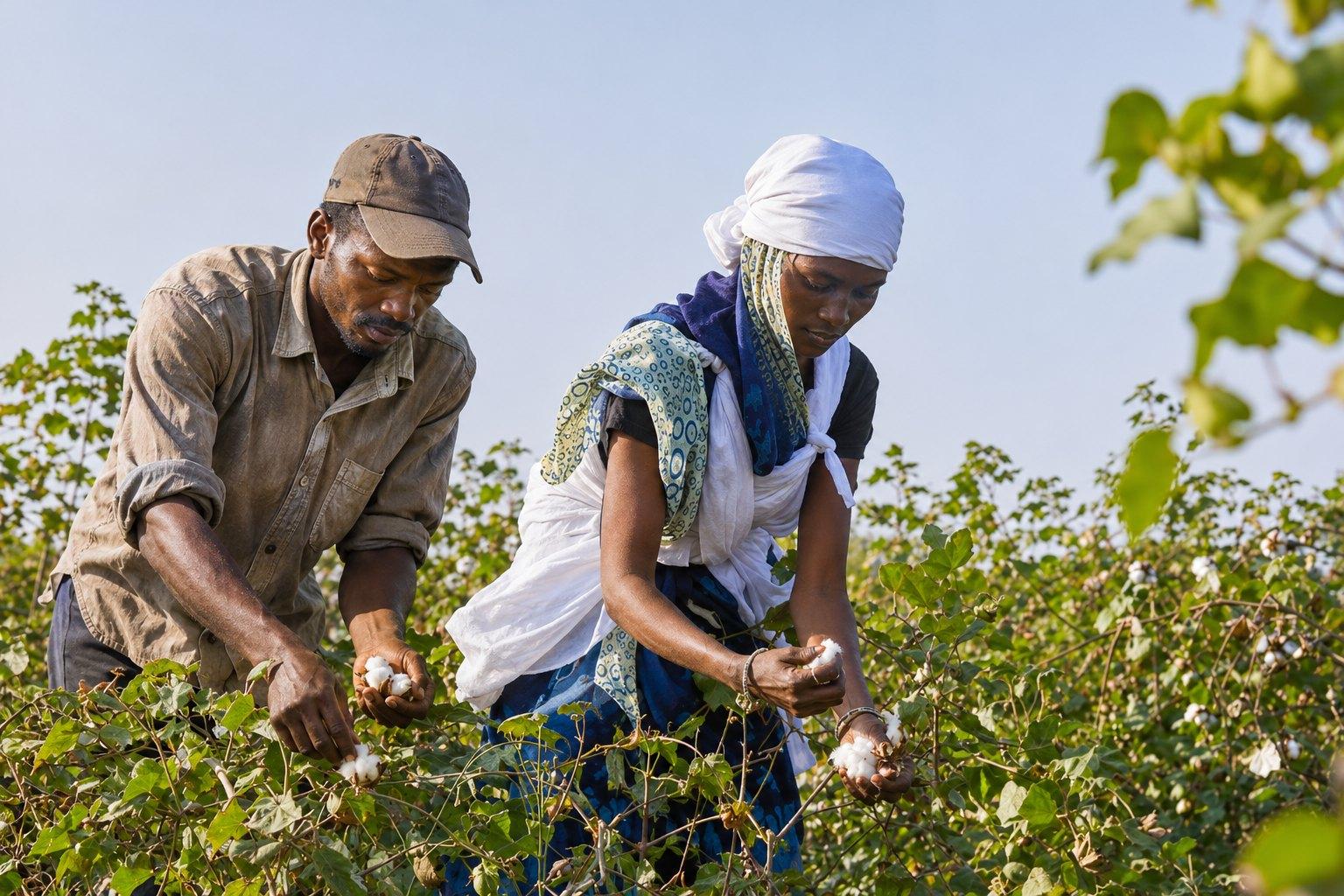
households still depending on cotton for income, while Kenya imports the great majority of the textiles it consumes.
The cotton is still grown. The jobs are not yet there. Closing that gap, and meeting the demand for ethical and traceable production, is what drives our work.
Our approach
What we focus on
Youth & women training
Equipping the next generation with skills in sustainable fashion design, textile production, and entrepreneurship. 30,000 trained to date, with programmes reaching rural and urban communities across Kenya.
Circular fashion
Reducing textile waste through upcycling and recycling initiatives. We divert fabric offcuts and discarded garments from landfills, transforming them into new, valuable products.
Green production
Building toward textile production run on solar and wind, using natural dyes derived from local plants, with lower water consumption and harmful chemicals designed out of the supply chain.
Local economies
Strengthening local supply chains by connecting cotton farmers directly to designers and markets. Creating jobs, ensuring fair pricing, and building economic resilience in farming communities.
Transparency & traceability
A supply chain you can follow back to the field. Working with Downforce Technologies on farm monitoring and carbon and biodiversity data, so sustainability claims rest on measurement rather than assertion.
Future outlook
What comes next
These are future priorities, not completed programmes: expanding the Farm-to-Fashion model and reaching 100,000 youth and women trained by 2030.
The next phase
Five areas of work that could strengthen the Farm-to-Fashion model over time.
- 01
Regenerative cotton farming & water hyacinth for fabric
Transitioning farmers to regenerative production, with water-efficient irrigation, natural pest control, and crop rotation, alongside cooperatives that give them stable pricing and fair trade terms, and harvesting water hyacinth from Lake Victoria as a raw material for fabric.
- 02
Green textile manufacturing
A solar- and wind-powered mill with closed-loop water recycling and eco-friendly dyes, pioneering cotton and water hyacinth blended fabrics.
- 03
Circular economy & zero waste
Recycling and upcycling centres, zero-waste cutting and tailoring, and biodegradable and recycled packaging.
- 04
Research, training & development
Labs for new eco-materials, partnerships with universities and colleges, and training centres for youth and women.
- 05
Green logistics & market access
Electric vehicle fleets, a sustainability data hub, and marketing partnerships that reach both local and international buyers.
Policy alignment
The roadmap is built to sit inside Kenya's existing development and trade frameworks, not alongside them.
Kenya Vision 2030
Industrialisation, SME development, and youth employment.
Bottom-Up Agenda (BETA)
Cotton, textiles and apparel are a priority value chain in the government's Bottom-Up Economic Transformation Agenda: better seed for cotton farmers, modernised ginneries and textile mills, and more local fabric made from Kenyan cotton.
The Big Four Agenda
Manufacturing and job creation.
AfCFTA
The African Continental Free Trade Area, for regional export.
SDGs 1, 5, 8, 9, 12 & 17
Poverty, gender equality, decent work, industry and innovation, responsible consumption, and partnerships.
Work with us
Partner, volunteer, or support the programmes already underway.