
Farmers
The first link in the chain
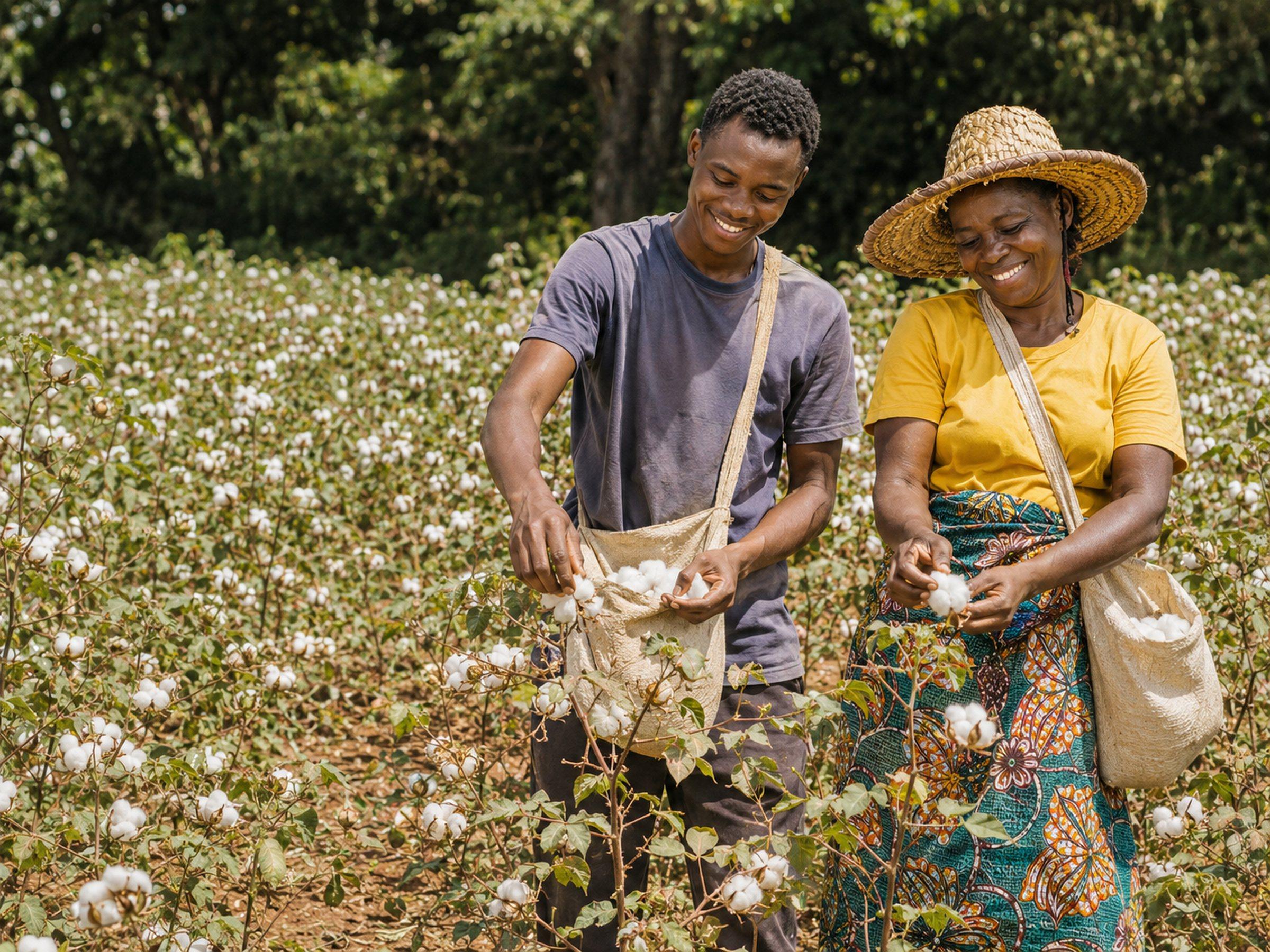
AOAC works with smallholder cotton farmers to connect local growing, creative work and better market access.
The baseline
The starting point
Kenya still has farmers, knowledge and demand. The work is rebuilding the links between them.
The collapse
Kenyan cotton production fell away after sector liberalisation and the influx of mitumba, or second-hand clothing. Ginneries closed. Farmers abandoned the crop.
Farmers still growing
The farmers who stayed with cotton through the decline, holding open the possibility of a sector that could be rebuilt.
Households dependent
Households still relying on cotton for income, while Kenya imports the great majority of the textiles it consumes.
The farmers who remain work against a stack of constraints: inadequate access to quality seed, exploitative ginnery pricing, high logistics costs, limited technology, and weak cooperative structures. None of these is solved by paying a little more for cotton. Each one is what our farmer partnerships are built to address.
Why farmers matter
What partnership means
Farmer partnerships focus on practical constraints: skills, inputs, pricing, market access and cooperative strength.
Limited technology and know-how
Training & capacity building
Hands-on training in sustainable cotton farming, pest management, soil health, and water conservation, delivered with agricultural experts so practice spreads across the network rather than stopping at one farm.
Exploitative ginnery pricing
Ethical sourcing commitment
Fair pricing and reliable market access for partner farmers. No middlemen taking the margin: farmers are paid directly, and agree the price before they plant.
Inadequate access to quality seed
Green farming inputs
Improved seed varieties, natural pest control, organic fertilisers, and water-efficient irrigation, avoiding the synthetic chemicals that degrade soil and the surrounding ecosystem.
Weak cooperative systems
Community ownership
Farmers are partners, not suppliers. Through cooperative structures they hold a voice in decision-making, share in profits, and build resilience that outlasts any single buyer.
How we work
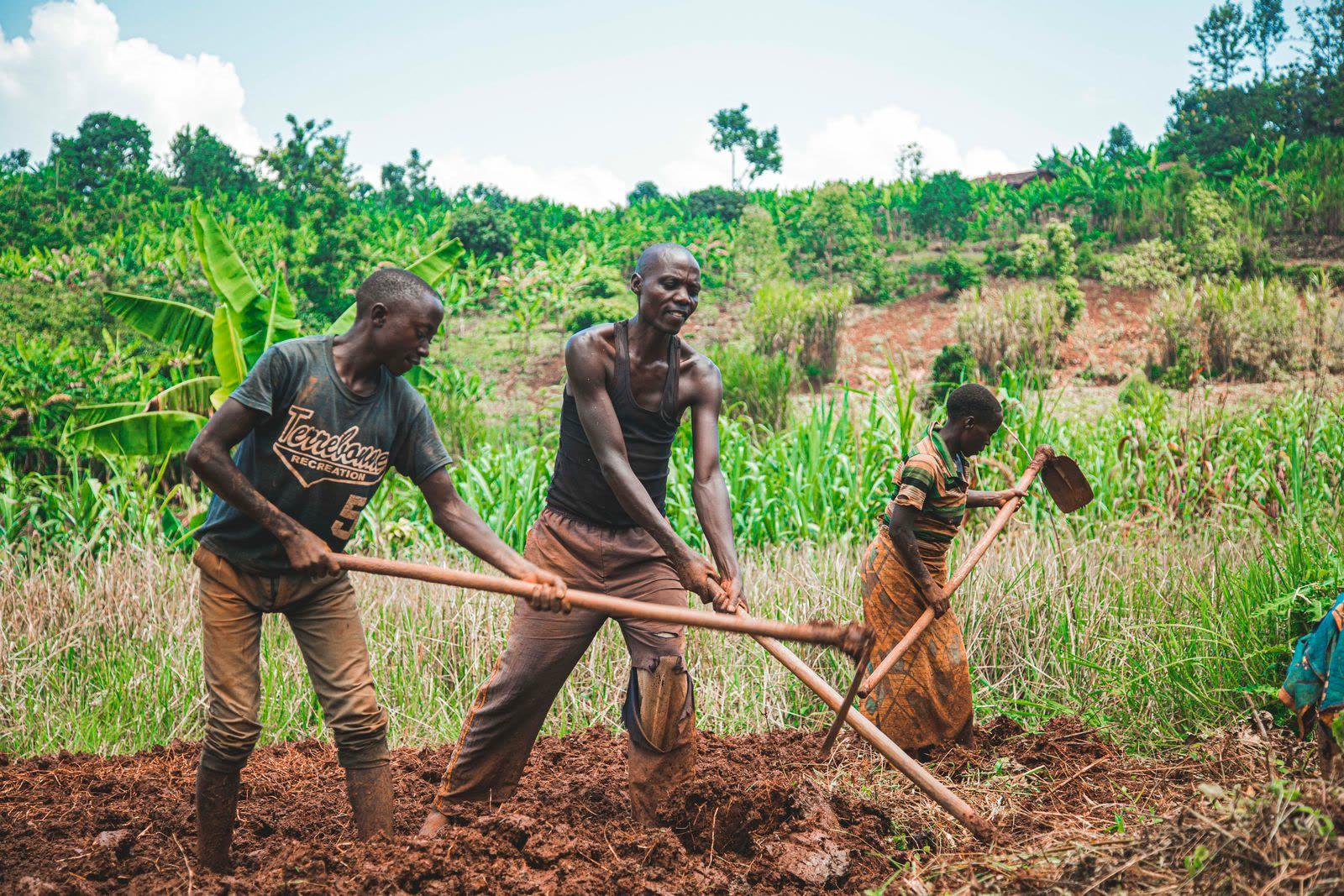
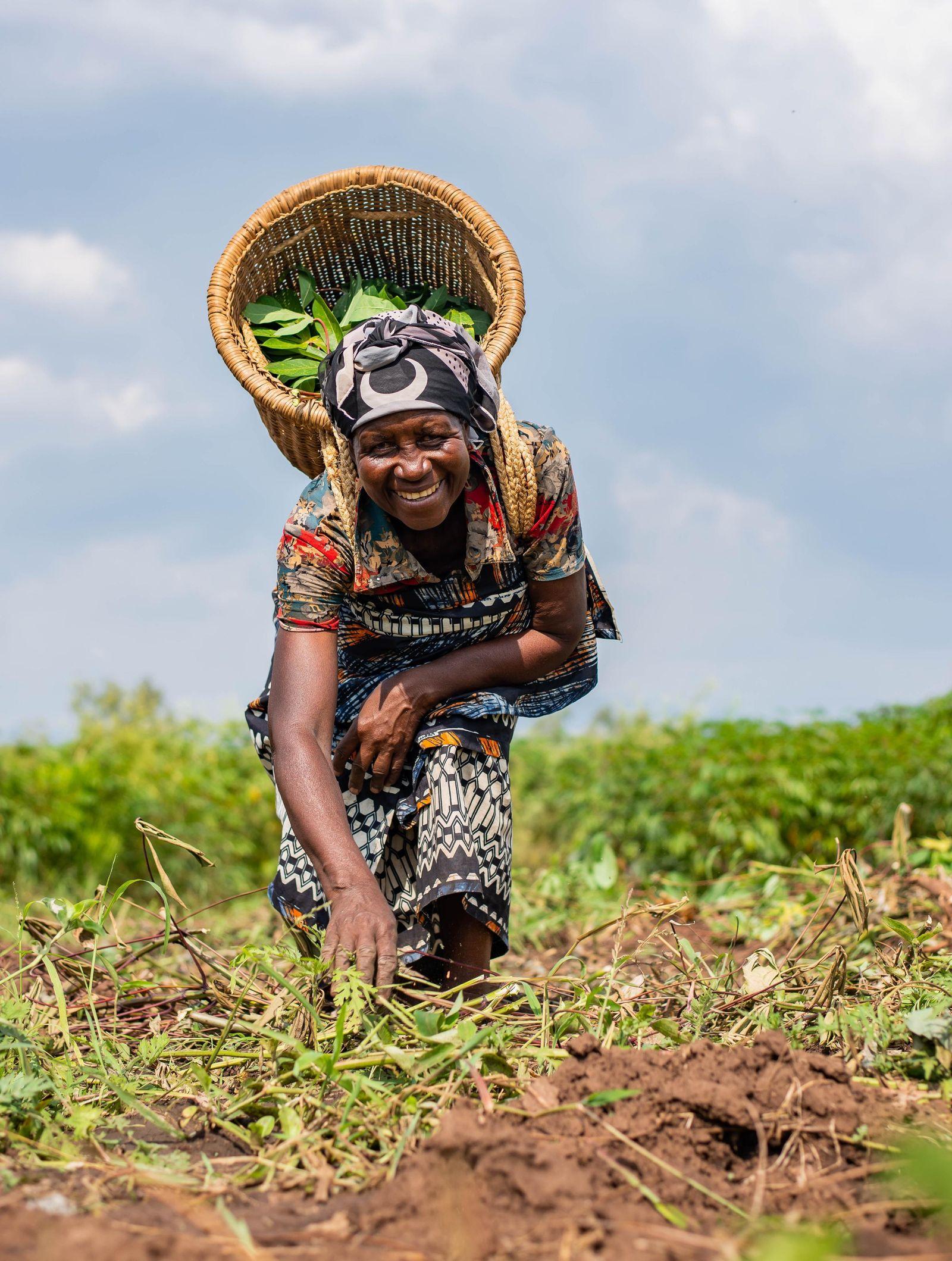
Work alongside farmers
The aim is a stronger relationship between farmers, makers and markets, built around practical support and shared value.
The work is concentrated where the cotton already grows: seven counties in the Lake Victoria basin, and Kwale on the Coast. The Kisumu regenerative cotton initiative is the anchor, the programme the map singles out.
App under construction
An app for cotton farmers
We are building an app for the cotton farmers we work with. It will live on this page when it is ready.
Join us
Do you grow cotton?
Tell us where you work and what kind of partnership would be useful.